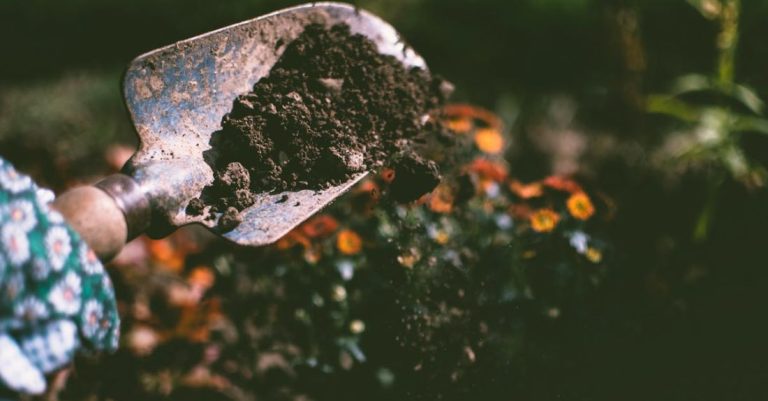

Gardening can be a rewarding and enjoyable hobby, but it often comes with its fair share of challenges. From pests to diseases and everything in between, common gardening problems can frustrate even the most experienced gardeners. However, with a bit of knowledge and some proactive strategies, you can effectively deal with these issues and keep your garden thriving. In this article, we will explore some of the most common gardening problems and provide practical solutions to help you overcome them.
Identifying and Treating Pest Infestations
One of the most frustrating problems that gardeners face is dealing with pest infestations. Whether it’s aphids, slugs, or caterpillars, these tiny invaders can wreak havoc on your plants if left unchecked. The key to managing pest problems is early detection. Regularly inspect your plants for any signs of damage, such as holes in leaves or chewed stems. If you notice any pests, take immediate action to address the issue.
There are several ways to treat pest infestations in your garden. One effective method is to introduce beneficial insects that prey on garden pests, such as ladybugs or lacewings. You can also use organic insecticides or homemade remedies like neem oil or garlic spray to deter pests from your plants. Additionally, practicing good garden hygiene, such as removing debris and weeds that can harbor pests, can help prevent infestations from occurring in the first place.
Combatting Common Plant Diseases
Plant diseases are another common problem that gardeners encounter. From fungal infections to viral diseases, these issues can quickly spread throughout your garden if not addressed promptly. To prevent plant diseases, it’s essential to practice good sanitation habits, such as cleaning your gardening tools regularly and avoiding overhead watering, which can promote fungal growth.
If you notice any signs of disease on your plants, such as yellowing leaves or powdery mildew, it’s crucial to act quickly to prevent the spread of the infection. Remove and destroy any infected plant material, and consider using organic fungicides to help control the disease. Proper plant spacing and adequate air circulation can also help prevent the spread of diseases in your garden.
Dealing with Soil Issues
Healthy soil is the foundation of a successful garden, but soil problems can hinder plant growth and overall garden health. Common soil issues include poor drainage, nutrient deficiencies, and pH imbalances. To address these problems, start by testing your soil to identify any issues that need to be corrected.
If your soil is compacted or poorly draining, consider incorporating organic matter like compost or aged manure to improve its structure. For nutrient deficiencies, you can use organic fertilizers or amendments to replenish essential nutrients in the soil. Adjusting the pH of your soil can be done by adding lime to raise pH levels or sulfur to lower them, depending on your plants’ specific needs.
Preventing Weeds from Taking Over
Weeds are a constant nuisance in the garden and can compete with your plants for water, nutrients, and sunlight. To prevent weeds from taking over, it’s essential to implement a proactive weed control strategy. Mulching your garden beds with organic materials like straw or wood chips can help suppress weed growth and conserve soil moisture.
Regular weeding is also crucial to keep weeds in check. Pull weeds by hand or use a hoe to remove them before they have a chance to spread and establish deep roots. For persistent weeds, consider using a natural weed killer like vinegar or boiling water to eradicate them. Maintaining a weed-free garden not only improves the overall aesthetics of your space but also reduces competition for your plants.
In conclusion, while common gardening problems can be frustrating, they are not insurmountable. By staying vigilant, practicing good gardening techniques, and addressing issues promptly, you can effectively deal with pest infestations, plant diseases, soil problems, and weed growth in your garden. With a little patience and perseverance, you can create a thriving garden that brings you joy and satisfaction throughout the growing season.