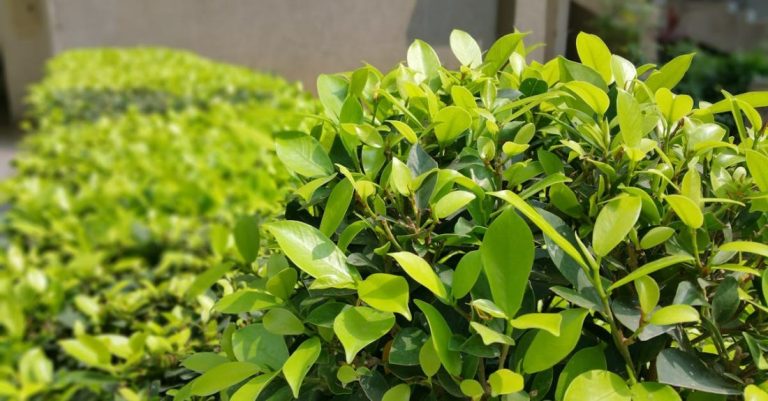
Pruning for Better Air Circulation
Pruning is a crucial aspect of plant care that often goes underappreciated. Beyond just shaping and maintaining the aesthetics of your plants, proper pruning plays a significant role in promoting better air circulation. Adequate airflow around your plants is essential for their overall health and vitality. In this article, we will delve into the importance of pruning for air circulation and provide practical tips on how to do it effectively.
**Why Air Circulation Matters**
Air circulation is vital for plants as it helps in several key ways. Firstly, it aids in reducing the risk of fungal diseases by preventing moisture buildup on leaves and stems. Good airflow also discourages pests that thrive in humid, still environments. Furthermore, proper air circulation can help plants absorb carbon dioxide more efficiently, which is crucial for photosynthesis and overall growth. By pruning your plants to encourage better airflow, you are setting them up for success and ensuring they reach their full potential.
**Identifying Plants in Need of Pruning**
Not all plants require the same level of pruning for air circulation. It is essential to observe your plants regularly to determine which ones may benefit from some trimming. Look for signs of overcrowding, such as branches that are densely packed together or leaves that are touching each other. These are indications that air circulation may be limited, and pruning can help alleviate the issue.
**Key Pruning Techniques**
When pruning for better air circulation, there are several techniques you can employ:
– **Remove Dead or Diseased Branches**: Start by cutting out any dead or diseased branches, as these not only hinder air circulation but also pose a risk of spreading infection to the rest of the plant.
– **Thin Out Overcrowded Areas**: Identify areas where branches are too close together and thin them out by selectively removing some branches. This opens up space for air to flow more freely through the plant.
– **Prune Crossing Branches**: Branches that cross over each other can rub against one another, causing damage and creating entry points for diseases. Remove these crossing branches to improve airflow and prevent potential issues.
– **Elevate the Canopy**: For shrubs and trees, consider raising the canopy by removing lower branches. This allows air to circulate underneath the plant, reducing the risk of moisture buildup and promoting overall health.
**Tools for Pruning**
Having the right tools for pruning is essential to ensure clean cuts and minimize damage to your plants. Invest in a sharp pair of pruning shears for smaller branches and a pruning saw for thicker branches. Additionally, keep a pair of loppers on hand for branches that are too large for shears but not quite thick enough for a saw. Remember to sanitize your tools before and after each use to prevent the spread of diseases.
**Pruning Schedule**
It is crucial to prune your plants at the right time to maximize the benefits for air circulation. In general, it is best to prune during the plant’s dormant season or after the flowering period to avoid interfering with the growth cycle. However, if you notice specific issues with air circulation, such as branches blocking airflow, don’t hesitate to prune them at any time of the year.
**Maintaining Air Circulation**
Pruning is just one part of the equation when it comes to promoting better air circulation for your plants. Regularly inspect your plants for signs of overcrowding or disease and address them promptly. Additionally, consider spacing out your plants appropriately when planting to allow for natural airflow between them. Adequate sunlight and proper watering practices also play a role in ensuring optimal air circulation.
**In Summary**
Pruning for better air circulation is a simple yet effective way to promote the health and vitality of your plants. By removing obstacles that hinder airflow, you can create an environment where your plants can thrive. Remember to observe your plants regularly, employ the proper pruning techniques, and maintain a consistent schedule to keep air circulation optimal. With these steps, you can enjoy a garden filled with healthy, flourishing plants.